
When it comes to investigating workplace incidents, there are numerous tools and methodologies available. Popular options include Ishikawa (Fishbone Diagram), 5-Whys, Apollo RCA, and Tripod Beta. While each has its strengths, Tripod Beta stands out as the most comprehensive and effective tool for identifying systemic failures and preventing future incidents.
The Tools at a Glance
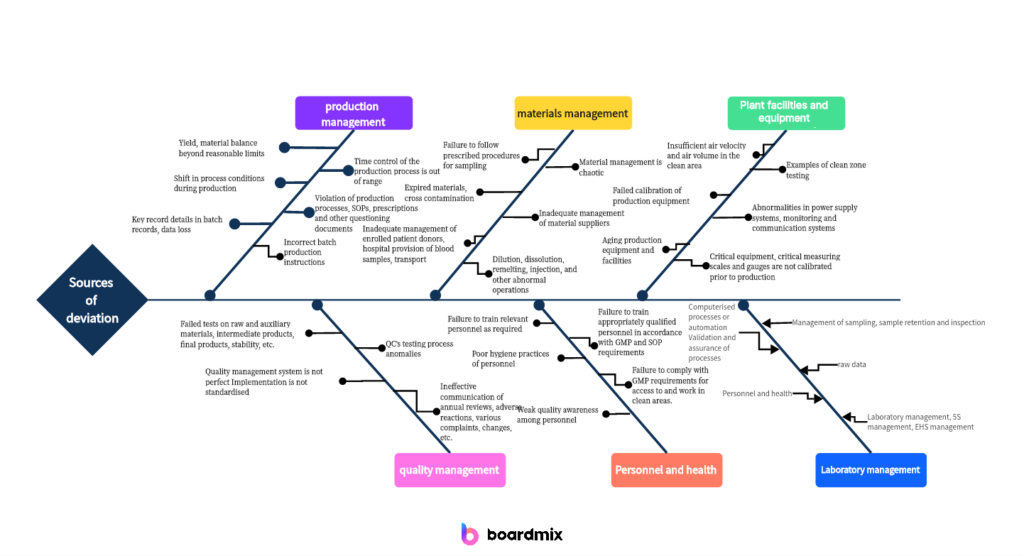
- Ishikawa (Fishbone Diagram)
- Strength: Visual representation of potential causes.
- Limitation: Often oversimplifies complex incidents and doesn’t prioritize root causes effectively.
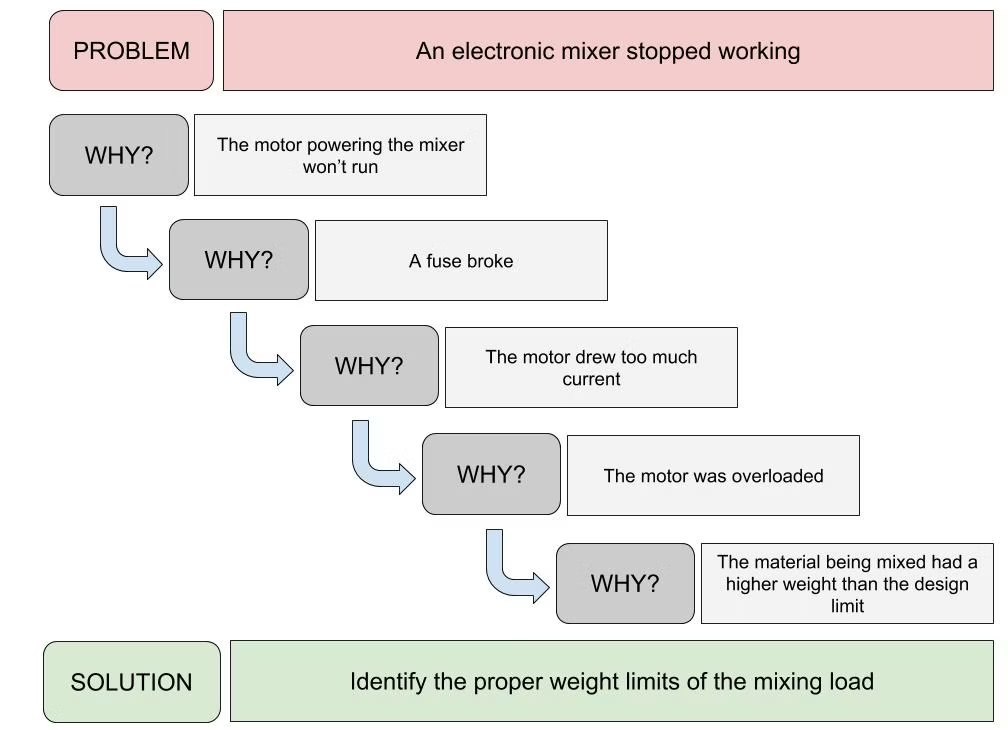
- 5-Whys
- Strength: Quick and straightforward to use.
- Limitation: Highly dependent on the investigator’s expertise and often stops at symptoms instead of systemic issues.
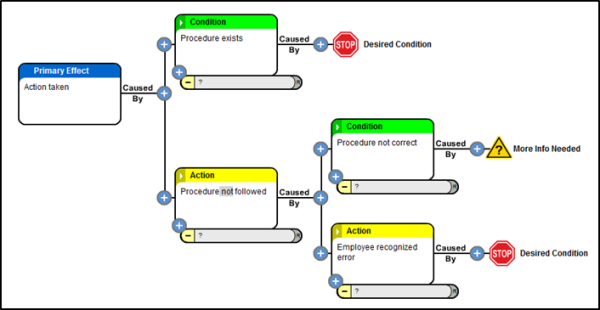
- Apollo RCA
- Strength: Detailed cause-and-effect mapping.
- Limitation: Can be time-consuming and overly complex for teams unfamiliar with the method.
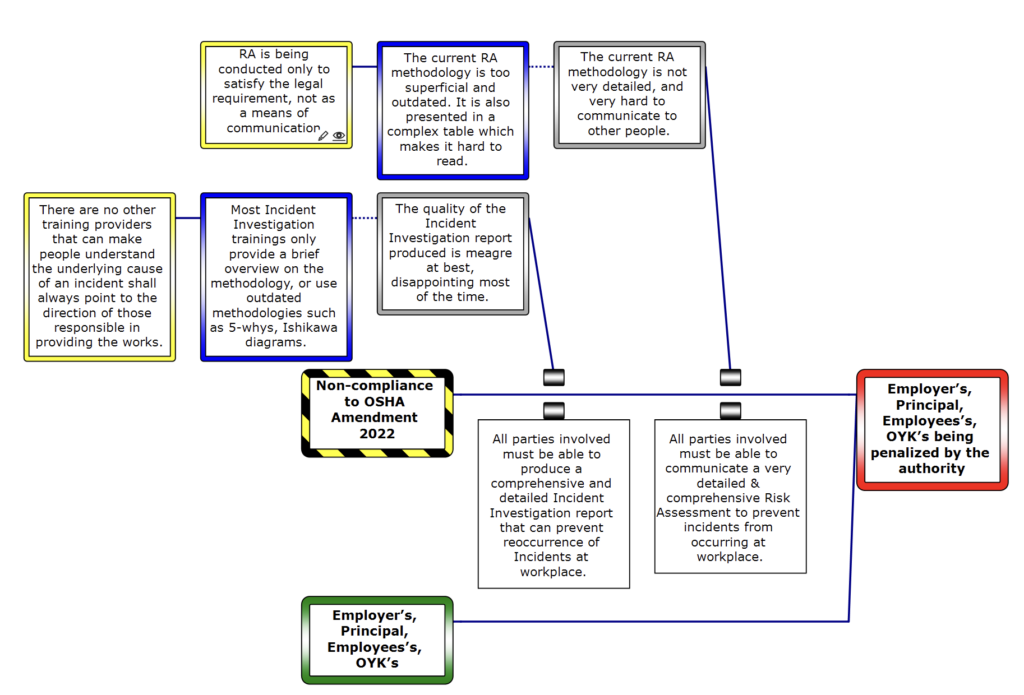
- Tripod Beta
- Strength: Focuses on systemic failures, human factors, and barrier effectiveness.
- Limitation: Requires training for proper implementation but yields highly actionable insights.
Why Tripod Beta is the Best Tool
- Systemic Focus
Unlike methods like the 5-Whys or Ishikawa, which often target immediate causes, Tripod Beta dives deep into the systemic issues that allow incidents to happen. This approach ensures that the real root causes are addressed, not just the symptoms. - Emphasis on Barrier Effectiveness
Tripod Beta evaluates barriers (controls) that should have prevented the incident. By identifying failed barriersand their root causes, organizations can strengthen their systems to prevent future failures. - Human Factors Integration
Tripod Beta doesn’t blame individuals for human errors. Instead, it explores why those errors occurred, focusing on conditions like training gaps, poor system design, or unclear procedures. - Comprehensive Action Plans
The output of a Tripod Beta investigation includes detailed recommendations for systemic improvements, making it far more actionable than other tools.
Case Study: Why Tripod Beta Outperforms Others
Imagine a workplace accident where a worker falls from a height due to a missing guardrail.
- 5-Whys might stop at “Why was the guardrail missing?” and blame poor maintenance.
- Ishikawa might list potential causes like “budget constraints,” “lack of inspection,” and “poor design,” but it doesn’t prioritize or analyze them deeply.
- Apollo RCA would map detailed cause-and-effect relationships, but it may not address systemic organizational issues.
- Tripod Beta goes beyond to ask:
- Why was maintenance neglected?
- What systemic factors led to budget constraints?
- Were inspections conducted effectively?
- Was there a culture of safety enforcement?
Tripod Beta identifies the Basic Risk Factors (BRFs) that underlie the failure and ensures corrective actions address systemic weaknesses.
Conclusion: Invest in Tripod Beta
While tools like Ishikawa, 5-Whys, and Apollo RCA have their place, Tripod Beta is the gold standard for incident investigation. Its focus on systemic issues, barrier effectiveness, and human factors ensures long-term safety improvements that go beyond quick fixes.
Want to implement Tripod Beta in your organization? Contact us for a consultation and take your incident investigations to the next level!